

Recovering from a serious illness, surgery, injury, or hospitalization often requires more support than patients can receive at home immediately after discharge. While hospital treatment addresses acute medical conditions, recovery frequently continues long after a patient leaves the hospital. This is where post-acute care becomes an essential part of the healthcare journey.
Understanding post-acute care is important for patients, families, and caregivers who want to make informed healthcare decisions and achieve the best possible recovery outcomes. Post-acute care provides medical, rehabilitative, and supportive services designed to help individuals regain strength, improve independence, manage chronic conditions, and avoid unnecessary hospital readmissions.
As healthcare continues to emphasize patient-centered recovery and improved outcomes, post-acute care has become one of the most important components of modern healthcare delivery.
What Is Post-Acute Care?
Before exploring the benefits, it’s important to understand what post-acute care actually means.
Post-acute care refers to the healthcare services patients receive after being discharged from a hospital. These services are designed to help individuals recover from illness, injury, surgery, or other medical conditions while reducing the risk of complications.
Unlike acute hospital care, which focuses on stabilizing medical conditions, post-acute care focuses on recovery, rehabilitation, and long-term wellness.
Depending on a patient’s condition, post-acute care may include:
- Skilled nursing services
- Physical therapy
- Occupational therapy
- Speech therapy
- Medication management
- Chronic disease monitoring
- Wound care
- Home healthcare services
- Transitional care management
The goal is to help patients transition safely from the hospital to their next stage of recovery.
Why Understanding Post-Acute Care Matters
Many patients assume that once they leave the hospital, their recovery is complete. In reality, the weeks following discharge are often the most critical period for healing.
Without proper support, patients may face challenges such as:
- Medication confusion
- Limited mobility
- Chronic disease flare-ups
- Falls and injuries
- Infections
- Poor nutrition
- Hospital readmissions
This is why understanding post-acute care is essential. Proper post-acute care services help address these risks while providing patients with the resources and professional support needed for successful recovery.
The Different Types of Post-Acute Care
One of the most important aspects of understanding post-acute care is recognizing that not all patients require the same level of support.
Several types of post-acute care settings are available based on individual medical needs.
Skilled Nursing Facilities
Skilled nursing facilities provide around-the-clock nursing care and rehabilitation services for patients who require ongoing medical supervision.
Patients recovering from surgeries, strokes, serious illnesses, or complex medical conditions often benefit from skilled nursing care.
Services may include:
- Nursing care
- Medication administration
- Physical therapy
- Occupational therapy
- Wound management
- Chronic disease monitoring
Skilled nursing facilities help patients recover safely while reducing the likelihood of hospital readmission.
Inpatient Rehabilitation Facilities
Some patients require intensive rehabilitation following major surgeries, traumatic injuries, or neurological conditions.
Inpatient rehabilitation facilities provide structured therapy programs focused on helping patients regain independence.
These programs often include multiple hours of therapy per day and are supervised by specialized rehabilitation teams.
Home Health Care
Many patients prefer recovering in their own homes whenever possible.
Home health care allows patients to receive medical services, nursing care, and therapy treatments without leaving home.
This option may include:
- Nursing visits
- Physical therapy
- Occupational therapy
- Medication monitoring
- Health assessments
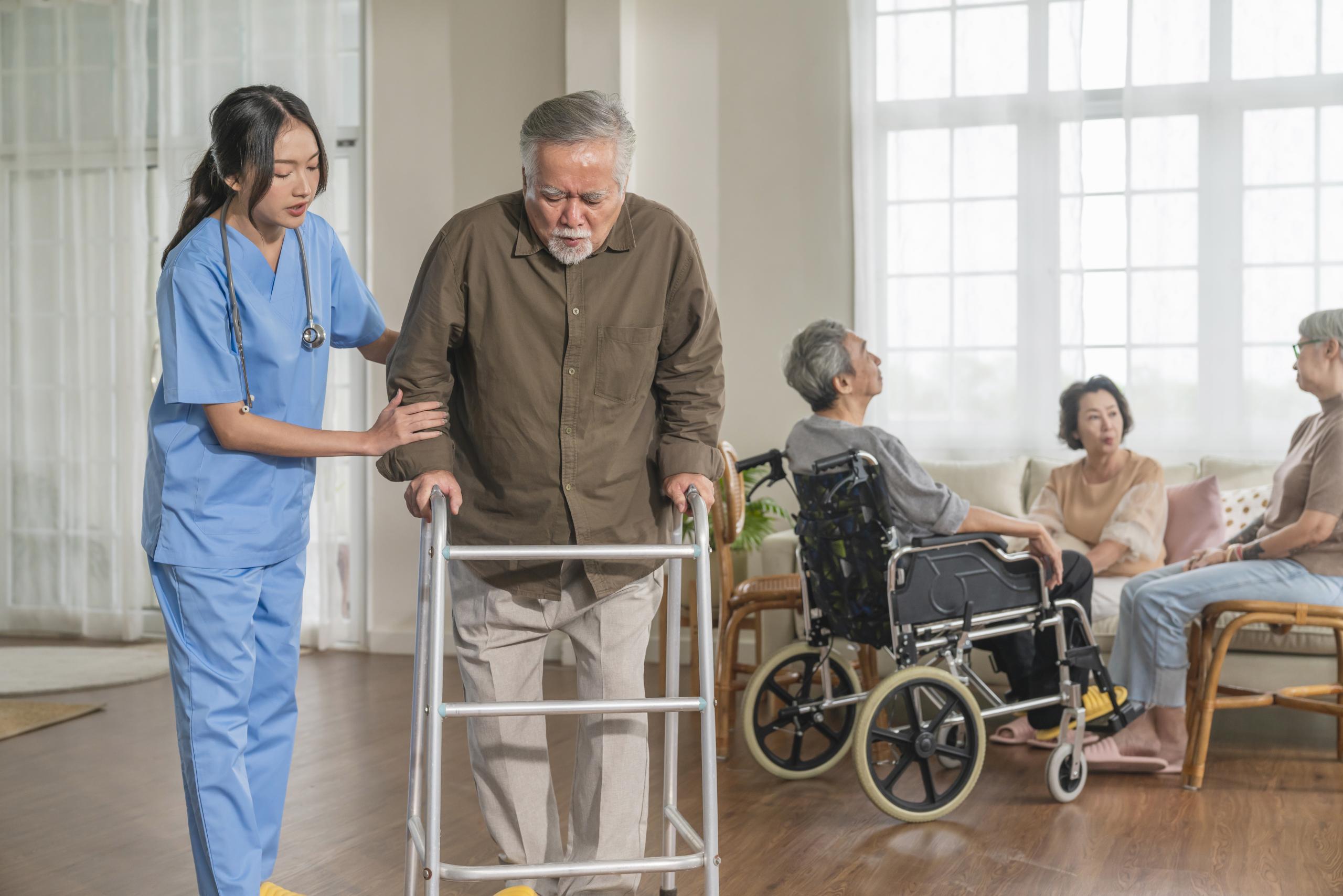
Home healthcare can be particularly beneficial for patients with mobility limitations.
Long-Term Care Facilities
Patients with ongoing medical needs or chronic conditions may require long-term care services.
These facilities provide assistance with daily activities while also offering medical oversight and supportive care.
Who Needs Post-Acute Care?
Understanding post-acute care also means recognizing who can benefit from these services.
Post-acute care is commonly recommended for individuals recovering from:
- Joint replacement surgery
- Stroke
- Heart attack
- Serious infections
- Chronic illnesses
- Traumatic injuries
- Major surgical procedures
- Neurological disorders
Older adults are among the most frequent users of post-acute care services due to the increased complexity of recovery and chronic disease management.
The Role of Rehabilitation in Recovery
Rehabilitation is one of the primary components of post-acute care.
Many patients experience physical limitations following hospitalization. Weakness, pain, reduced mobility, and loss of independence can significantly affect quality of life.
Rehabilitation services help patients regain function and confidence.
Physical Therapy
Physical therapy focuses on:
- Improving mobility
- Increasing strength
- Enhancing balance
- Preventing falls
- Supporting recovery after surgery
Occupational Therapy
Occupational therapy helps patients perform everyday tasks safely and independently.
Therapists assist with activities such as:
- Dressing
- Bathing
- Cooking
- Household tasks
Speech Therapy
Speech-language pathologists help patients recover communication and swallowing abilities after conditions such as stroke or neurological injury.
These rehabilitation services are vital to successful post-hospital recovery.
How Post-Acute Care Reduces Hospital Readmissions
One of the primary reasons healthcare providers emphasize understanding post-acute care is its ability to reduce hospital readmissions.
Many readmissions occur because patients struggle to manage their recovery after discharge.
Common causes include:
- Medication errors
- Infections
- Falls
- Poor chronic disease management
- Missed follow-up appointments
Post-acute care providers actively monitor patients and identify concerns before they become emergencies.
This proactive approach improves recovery outcomes and reduces unnecessary hospitalizations.
Medication Management and Patient Safety
Medication-related complications remain a major healthcare challenge.
After hospitalization, patients often receive multiple prescriptions and treatment changes that can be difficult to manage independently.
Post-acute care providers help ensure medications are:
- Administered correctly
- Reviewed regularly
- Adjusted when necessary
- Monitored for side effects
This oversight significantly improves patient safety while reducing preventable complications.
Chronic Disease Management in Post-Acute Care
Many patients entering post-acute care live with chronic health conditions that require ongoing monitoring.
Common examples include:
- Diabetes
- Heart failure
- COPD
- Kidney disease
- Hypertension
Post-acute care teams work closely with physicians to manage these conditions effectively.
Regular monitoring, medication management, nutritional support, and patient education all contribute to improved long-term health outcomes.
The Importance of Care Coordination
Healthcare recovery often involves multiple providers working together.
Patients may receive care from:
- Physicians
- Nurses
- Specialists
- Therapists
- Caregivers
- Social workers
One major benefit of post-acute care is improved care coordination.
Providers communicate regularly to ensure treatment plans remain aligned and recovery goals are achieved efficiently.
This continuity of care helps eliminate communication gaps that can negatively affect patient outcomes.
What Families Should Consider When Choosing Post-Acute Care
Selecting the right post-acute care provider can have a significant impact on recovery success.
Families should evaluate:
Clinical Expertise
Look for experienced nursing and rehabilitation staff.
Available Services
Ensure the facility provides the therapies and medical support required for the patient’s condition.
Patient Outcomes
Ask about recovery success rates, quality scores, and hospital readmission rates.
Personalized Care Plans
The best providers tailor treatment plans to each patient’s unique needs.
Communication Practices
Strong communication between providers, patients, and families is essential for effective recovery.
The Future of Post-Acute Care
Healthcare continues to evolve, and post-acute care is becoming increasingly important as populations age and chronic conditions become more common.
Innovations such as telehealth, remote patient monitoring, electronic health records, and predictive analytics are improving the effectiveness of post-acute care services.
These advancements allow healthcare providers to identify risks earlier, improve communication, and deliver more personalized care.
As a result, patients can experience smoother recoveries and better long-term health outcomes.
Why Post-Acute Care Is Essential for Recovery
Understanding post-acute care helps patients and families make informed decisions during one of the most important stages of recovery. Whether recovering from surgery, illness, injury, or a chronic health condition, post-acute care provides the medical support, rehabilitation services, and care coordination necessary for successful healing.
By reducing hospital readmissions, improving patient safety, supporting rehabilitation, and managing chronic conditions, post-acute care serves as a critical bridge between hospital treatment and long-term wellness. Choosing the right post-acute care provider can significantly improve recovery outcomes and help patients regain independence with confidence.
Looking for trusted post-acute care services for yourself or a loved one? Contact our team today to learn how our skilled nursing, rehabilitation, and personalized recovery programs can support a safer transition from hospital to home and help achieve better long-term health outcomes.