

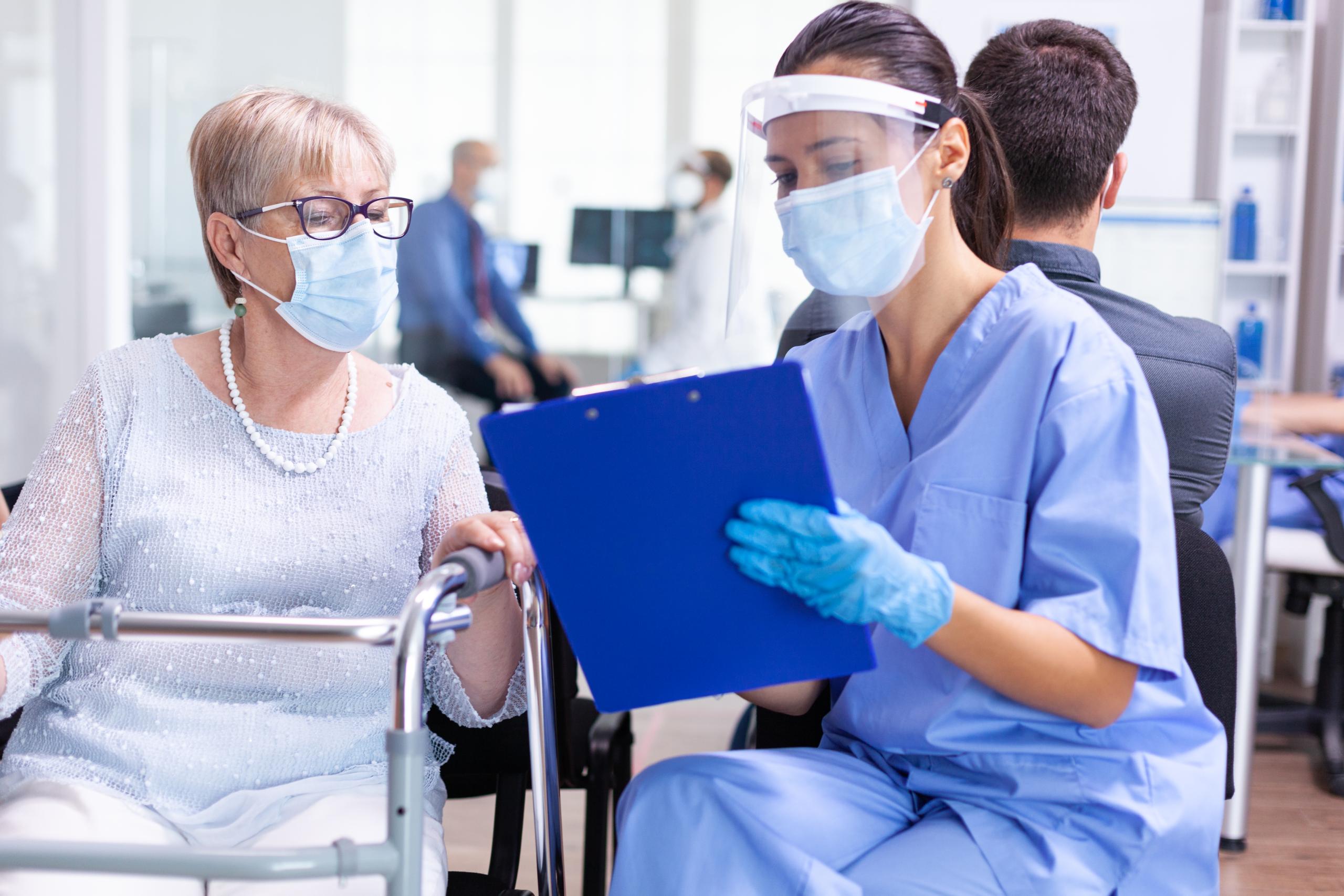
Hospital readmissions are a major concern for patients, families, healthcare providers, and insurance programs. Returning to the hospital shortly after discharge can delay recovery, increase healthcare costs, and expose patients to additional complications. For older adults and individuals recovering from surgery, illness, or injury, the period immediately following a hospital stay is often the most vulnerable stage of recovery.
This is why understanding how skilled nursing facilities reduce readmissions is so important. Skilled nursing facilities (SNFs) provide specialized post-acute care designed to help patients transition safely from the hospital to home. Through clinical oversight, rehabilitation services, medication management, and personalized care plans, these facilities play a critical role in reducing avoidable hospital returns.
In today’s healthcare environment, skilled nursing facilities have become an essential partner in improving patient outcomes and supporting long-term recovery.
Why Hospital Readmissions Happen
Before exploring how skilled nursing facilities reduce readmissions, it is important to understand why patients often return to the hospital after discharge.
Many patients leave the hospital with ongoing medical needs that require close monitoring. Without proper support, seemingly minor issues can quickly become serious health concerns.
Common causes of hospital readmissions include:
- Medication errors or missed doses
- Post-surgical complications
- Infections
- Falls and injuries
- Poor chronic disease management
- Dehydration and malnutrition
- Lack of follow-up care
- Failure to recognize worsening symptoms
These challenges are particularly common among seniors and patients managing multiple health conditions. Skilled nursing facilities are specifically designed to address these risks before they require emergency intervention.
Continuous Monitoring and Early Intervention
One of the most effective ways how skilled nursing facilities reduce readmissions becomes evident is through continuous patient monitoring.
Unlike recovering at home without medical supervision, patients in a skilled nursing facility receive regular assessments from licensed healthcare professionals. Nurses monitor vital signs, evaluate symptoms, track recovery progress, and identify potential concerns before they become emergencies.
For example, subtle changes in blood pressure, oxygen levels, or wound healing may indicate a developing complication. Early detection allows caregivers to adjust treatment plans, contact physicians, or provide additional care before hospitalization becomes necessary.
This proactive approach significantly lowers the risk of preventable readmissions and helps patients recover more safely.
Medication Management Reduces Complications
Medication-related issues remain one of the leading causes of hospital readmissions nationwide.
Many patients leave the hospital with multiple prescriptions, dosage changes, and complex treatment instructions. It is easy for confusion, missed medications, or harmful drug interactions to occur.
A key factor in how skilled nursing facilities reduce readmissions is their structured medication management process.
Skilled nursing staff help by:
- Administering medications correctly
- Monitoring for side effects
- Reviewing prescription changes
- Communicating with physicians
- Educating patients about medication schedules
This level of oversight helps prevent complications that frequently lead to emergency room visits and hospital stays.
Rehabilitation Services Support Faster Recovery
Many patients require therapy after hospitalization to regain strength, mobility, and independence. Without proper rehabilitation, recovery may stall, increasing the likelihood of falls, injuries, and health setbacks.
Another important component of how skilled nursing facilities reduce readmissions is access to comprehensive rehabilitation services.
Most facilities provide:
Physical Therapy
Physical therapy helps patients rebuild strength, improve mobility, and safely return to daily activities.
Occupational Therapy
Occupational therapy focuses on improving a patient’s ability to perform everyday tasks such as dressing, bathing, and meal preparation.
Speech Therapy
Patients recovering from strokes, neurological conditions, or swallowing disorders often benefit from speech and language therapy.
These rehabilitation programs are customized to individual needs and monitored by trained professionals who can adjust treatment plans as recovery progresses.
Chronic Disease Management Improves Stability
Many hospital readmissions are linked to chronic conditions such as heart disease, diabetes, chronic obstructive pulmonary disease (COPD), and kidney disease.
Proper chronic disease management is another example of how skilled nursing facilities reduce readmissions.
Rather than simply treating symptoms, skilled nursing teams develop comprehensive care plans that focus on long-term stability. These plans may include:
- Routine health monitoring
- Dietary guidance
- Medication management
- Symptom tracking
- Physician coordination
For patients with chronic illnesses, consistent management often prevents health crises that would otherwise require hospitalization.
Coordinated Care Creates Better Outcomes
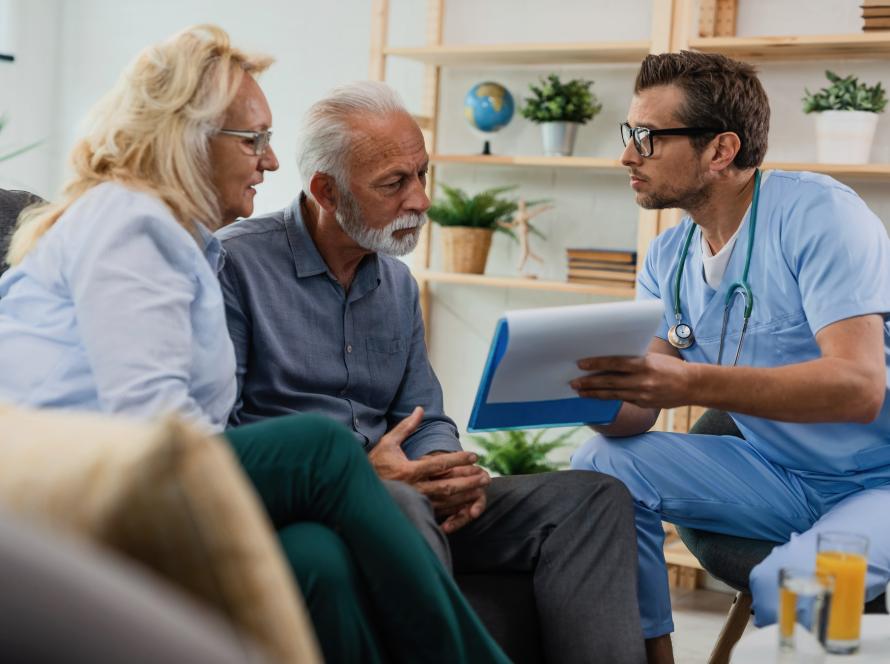
One of the biggest challenges following a hospital discharge is maintaining communication between multiple healthcare providers.
Patients may have physicians, specialists, therapists, caregivers, and family members involved in their recovery. When communication breaks down, important details can be missed.
A major reason how skilled nursing facilities reduce readmissions is because they act as a central hub for care coordination.
Skilled nursing facilities routinely communicate with:
- Hospital discharge teams
- Primary care providers
- Medical specialists
- Rehabilitation therapists
- Family caregivers
This collaborative approach ensures everyone remains informed about treatment goals, medication changes, and recovery progress.
Nutrition and Hydration Play a Critical Role
Proper nutrition is often overlooked during recovery, yet it has a direct impact on healing and overall health.
Patients recovering from illness or surgery may struggle with reduced appetite, swallowing difficulties, dietary restrictions, or nutritional deficiencies. Poor nutrition can slow recovery and increase the risk of complications.
Skilled nursing facilities address this challenge through individualized meal planning and nutritional support. Dietitians and healthcare providers work together to ensure patients receive the nutrients needed to heal, maintain strength, and support immune function.
Adequate hydration is equally important, especially for older adults who are more vulnerable to dehydration-related hospitalizations.
Fall Prevention Reduces Emergency Hospital Visits
Falls remain one of the most common reasons seniors return to the hospital after discharge.
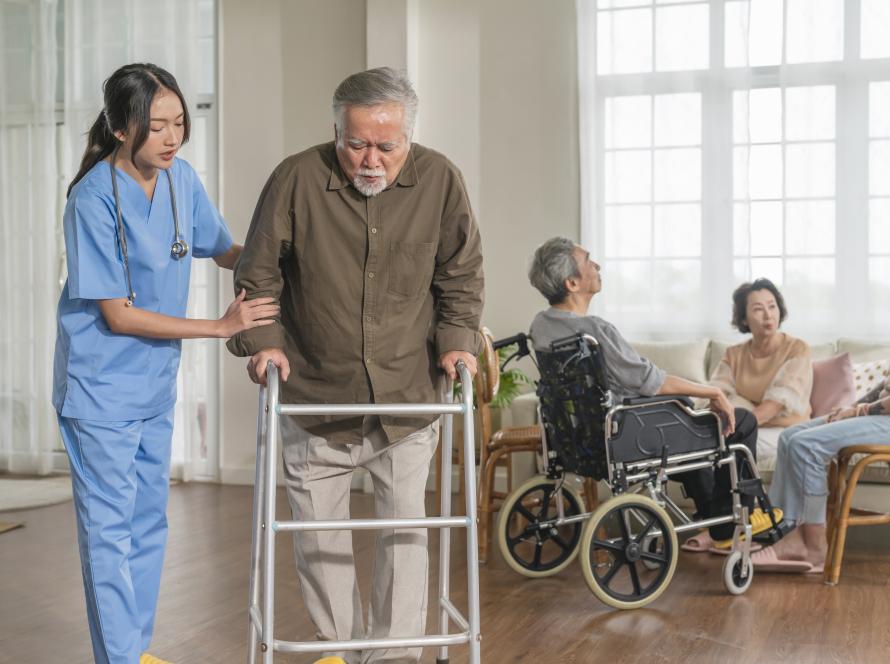
Many patients experience weakness, balance issues, or mobility limitations during recovery. Without proper support, a single fall can result in serious injury and hospitalization.
As part of how skilled nursing facilities reduce readmissions, facilities implement comprehensive fall prevention strategies, including:
- Mobility assessments
- Strength-building exercises
- Assistive devices
- Environmental safety measures
- Supervised movement when necessary
These preventive measures help patients recover in a safer environment while reducing the risk of avoidable injuries.
Infection Prevention and Wound Care
Post-hospital infections are another significant cause of readmissions.
Patients recovering from surgery, wounds, or serious illnesses often require ongoing monitoring to ensure proper healing. Skilled nursing facilities provide professional wound care and infection prevention protocols designed to identify problems early.
Care teams monitor:
- Surgical incision sites
- Pressure injuries
- Signs of infection
- Changes in healing progress
Strict sanitation procedures and staff training further reduce infection risks, helping patients recover without unnecessary setbacks.
Patient and Family Education Matters
Education is often an overlooked factor in successful recovery.
Patients who understand their condition, medications, and treatment plans are more likely to follow recommendations and seek help when symptoms change.
An essential aspect of how skilled nursing facilities reduce readmissions involves educating both patients and family members.
Care teams provide guidance on:
- Medication schedules
- Warning signs to watch for
- Lifestyle modifications
- Follow-up appointments
- Disease management strategies
This education empowers patients to take an active role in their recovery and continue healthy habits after discharge.
What Families Should Look for in a Skilled Nursing Facility
Choosing the right skilled nursing facility can significantly impact recovery outcomes.
When evaluating options, families should consider:
Clinical Expertise
Look for facilities with experienced nursing staff, rehabilitation specialists, and strong physician oversight.
Rehabilitation Programs
Comprehensive therapy services often lead to better recovery outcomes and reduced readmission rates.
Care Coordination
Facilities that maintain strong communication with hospitals and physicians generally provide smoother transitions of care.
Personalized Care Plans
Every patient has unique needs. Individualized treatment plans help ensure the best possible recovery experience.
Quality Performance Metrics
Ask about patient outcomes, quality ratings, and hospital readmission statistics when comparing facilities.
The Future of Readmission Prevention
Healthcare providers continue to focus on reducing avoidable hospitalizations because better outcomes benefit everyone involved.
Advancements such as electronic health records, telehealth services, predictive analytics, and remote monitoring are helping skilled nursing facilities identify patient risks earlier than ever before.
As healthcare continues to evolve, skilled nursing facilities will remain a critical part of the recovery process, helping patients receive the right care at the right time while avoiding unnecessary hospital stays.
Conclusion
Understanding how skilled nursing facilities reduce readmissions highlights the essential role these facilities play in modern healthcare. Through continuous monitoring, medication management, rehabilitation services, chronic disease support, care coordination, infection prevention, and patient education, skilled nursing facilities provide the structured environment patients need for successful recovery.
For patients transitioning from hospital care, choosing a high-quality skilled nursing facility can make the difference between a smooth recovery and an avoidable return to the hospital. By addressing health concerns early and providing personalized support, skilled nursing facilities help patients heal safely, regain independence, and achieve better long-term outcomes.
Looking for a skilled nursing facility that prioritizes recovery, safety, and reduced hospital readmissions? Contact our team today to learn how our personalized care plans, rehabilitation services, and skilled nursing support can help your loved one recover with confidence and achieve the best possible outcome.

1 Comment
Ashton Porter
Sed ut perspiciatis, unde omnis iste natus error sit voluptatem accusantium doloremque laudantium, totam rem aperiam eaque ipsa, quae ab illo inventore veritatis et quasi architecto beatae vitae dicta sunt, explicabo.