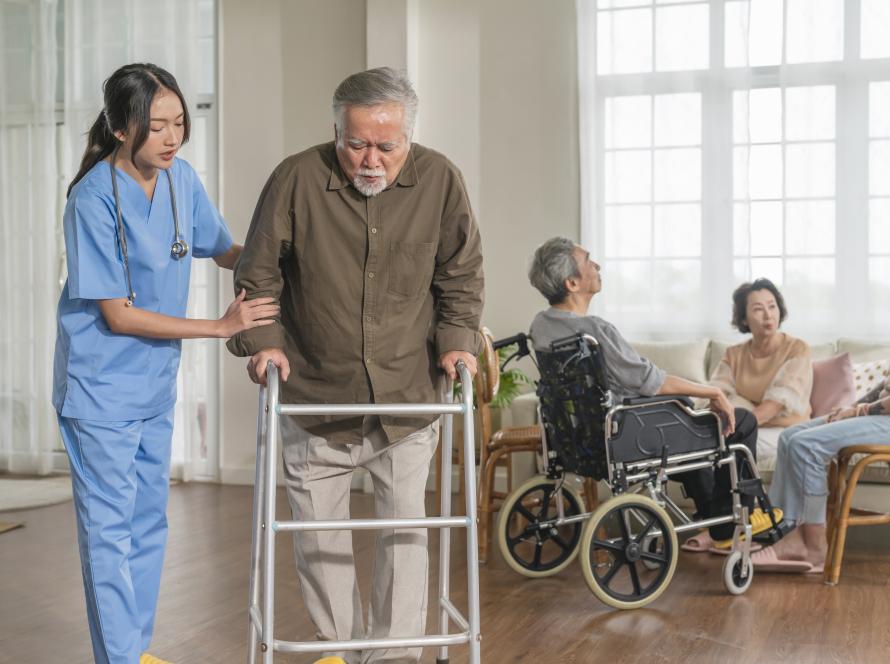



Rehabilitation is more than helping patients regain strength after an illness or injury—it is a comprehensive process focused on restoring independence, improving quality of life, and preventing future health complications. Whether recovering from surgery, stroke, orthopedic injuries, neurological conditions, or chronic illnesses, patients benefit most when rehabilitation is structured, personalized, and supported by a multidisciplinary healthcare team.
Understanding the best practices in rehabilitation patient care is essential for patients, caregivers, healthcare providers, and families seeking the most effective path to recovery. Modern rehabilitation combines evidence-based therapies, coordinated medical care, patient education, and emotional support to help individuals achieve long-term health and independence.
As healthcare continues to prioritize patient-centered outcomes, rehabilitation has become one of the most important components of post-acute care. Implementing proven rehabilitation practices not only accelerates recovery but also reduces complications, improves mobility, and lowers hospital readmission rates.
What Is Rehabilitation Patient Care?
Before exploring the best practices in rehabilitation patient care, it is important to understand what rehabilitation involves.
Rehabilitation patient care is a coordinated healthcare approach designed to help individuals recover physical, cognitive, and functional abilities after illness, injury, surgery, or chronic medical conditions. Unlike acute hospital care, rehabilitation focuses on restoring independence and improving overall quality of life rather than treating an immediate medical emergency.
Rehabilitation services often include:
- Physical therapy
- Occupational therapy
- Speech therapy
- Skilled nursing care
- Pain management
- Nutritional support
- Psychological counseling
- Chronic disease management
Each rehabilitation plan is tailored to the patient’s condition, goals, and recovery timeline.
Why Rehabilitation Patient Care Is Important
Recovery is rarely complete when a patient leaves the hospital. Many individuals continue to experience weakness, limited mobility, pain, balance issues, or difficulty performing everyday activities.
This is why following the best practices in rehabilitation patient care is essential.
Effective rehabilitation helps patients:
- Restore mobility and strength
- Improve balance and coordination
- Regain independence
- Prevent complications
- Reduce hospital readmissions
- Manage chronic conditions
- Improve emotional well-being
- Enhance overall quality of life
By addressing both physical and emotional recovery, rehabilitation supports long-term health outcomes.
Best Practices in Rehabilitation Patient Care
Develop Personalized Treatment Plans
No two patients recover in the same way. Age, medical history, physical condition, lifestyle, and personal goals all influence the rehabilitation process.
One of the most important best practices in rehabilitation patient care is creating individualized treatment plans.
A personalized rehabilitation plan typically includes:
- Recovery goals
- Therapy schedules
- Medical management
- Mobility assessments
- Progress evaluations
- Patient preferences
Customized care helps ensure every patient receives the most appropriate treatment for their unique needs.
Build a Multidisciplinary Care Team
Successful rehabilitation depends on collaboration between healthcare professionals.
An effective rehabilitation team may include:
- Physicians
- Rehabilitation nurses
- Physical therapists
- Occupational therapists
- Speech-language pathologists
- Dietitians
- Social workers
- Case managers
Each specialist contributes expertise that supports the patient’s overall recovery.
Strong communication among team members improves care coordination and helps patients achieve better outcomes.
Prioritize Early Rehabilitation
Research consistently shows that early rehabilitation leads to better recovery outcomes.
Beginning therapy soon after surgery, illness, or injury helps patients:
- Maintain muscle strength
- Improve circulation
- Prevent joint stiffness
- Reduce complications
- Regain independence faster
Early intervention is particularly beneficial for patients recovering from strokes, orthopedic surgeries, and neurological conditions.
Physical Therapy as a Foundation for Recovery
Physical therapy is one of the most important components of rehabilitation patient care.
Therapists design exercise programs that help patients:
- Improve mobility
- Increase flexibility
- Build strength
- Restore balance
- Reduce pain
- Prevent falls
Regular physical therapy sessions allow patients to recover safely while progressing toward functional independence.
Occupational Therapy Restores Daily Living Skills
Recovery extends beyond walking and movement.
Occupational therapists focus on helping patients perform everyday activities such as:
- Dressing
- Bathing
- Cooking
- Grooming
- Household tasks
Adaptive equipment and personalized techniques allow patients to regain confidence while maintaining independence.
Occupational therapy plays a critical role in improving long-term quality of life.
Speech Therapy Supports Communication and Swallowing
Patients recovering from strokes, brain injuries, or neurological disorders often require speech therapy.
Speech-language pathologists help patients improve:
- Communication
- Cognitive abilities
- Memory
- Swallowing function
Early speech therapy can significantly improve recovery while reducing complications such as aspiration pneumonia.
Patient Education Improves Rehabilitation Outcomes
Education is one of the most valuable yet often overlooked best practices in rehabilitation patient care.
Patients who understand their treatment plans are more likely to remain engaged throughout recovery.
Education should include:
- Exercise instructions
- Medication management
- Nutrition guidance
- Home safety recommendations
- Warning signs requiring medical attention
- Chronic disease management
Empowered patients are better equipped to continue rehabilitation after leaving the healthcare facility.
Nutrition Supports Faster Healing
Proper nutrition plays a major role in successful rehabilitation.
Patients recovering from surgery or illness require adequate protein, vitamins, minerals, and hydration to support tissue repair and maintain energy levels.
Dietitians often recommend nutrition plans tailored to:
- Medical conditions
- Recovery goals
- Dietary restrictions
- Weight management
- Chronic disease needs
Good nutrition strengthens the immune system while supporting physical recovery.
Emotional and Mental Health Matter
Rehabilitation is not only a physical journey but also an emotional one.
Many patients experience:
- Anxiety
- Depression
- Stress
- Frustration
- Loss of confidence
Providing emotional support through counseling, support groups, family involvement, and compassionate care helps patients remain motivated throughout rehabilitation.
Addressing mental well-being often leads to improved treatment participation and better recovery outcomes.
Preventing Hospital Readmissions
An important objective of following the best practices in rehabilitation patient care is reducing avoidable hospital readmissions.
Healthcare providers achieve this by:
- Monitoring recovery progress
- Managing medications
- Coordinating follow-up care
- Educating patients
- Preventing falls
- Identifying complications early
These proactive measures improve patient safety while reducing healthcare costs.
Using Technology in Modern Rehabilitation
Healthcare technology continues to improve rehabilitation outcomes.
Many rehabilitation programs now incorporate:
- Telehealth consultations
- Electronic health records
- Wearable activity trackers
- Remote patient monitoring
- Virtual therapy programs
These technologies allow providers to monitor progress more effectively while improving communication with patients and caregivers.
Technology also supports continuity of care after discharge.
Family and Caregiver Involvement
Family members play an essential role in rehabilitation success.
Caregivers help patients:
- Follow exercise programs
- Manage medications
- Attend appointments
- Maintain healthy routines
- Provide emotional encouragement
Healthcare providers should educate caregivers so they can confidently support recovery at home.
Strong family involvement often leads to better patient engagement and improved rehabilitation outcomes.
Measuring Rehabilitation Success
Effective rehabilitation extends beyond symptom improvement.
Healthcare teams regularly evaluate:
- Mobility
- Pain levels
- Functional independence
- Therapy participation
- Patient satisfaction
- Achievement of recovery goals
Continuous assessment allows providers to adjust treatment plans and maximize recovery potential.
Why Rehabilitation Best Practices Lead to Better Recovery
Following the best practices in rehabilitation patient care ensures patients receive comprehensive, coordinated, and personalized support throughout their recovery journey. By combining individualized treatment plans, multidisciplinary care, rehabilitation therapies, patient education, nutritional support, emotional wellness, and ongoing progress monitoring, healthcare providers can significantly improve patient outcomes.
Successful rehabilitation not only restores physical function but also empowers patients to regain independence, reduce hospital readmissions, and improve their overall quality of life. Investing in high-quality rehabilitation care creates lasting benefits for patients, families, and healthcare organizations alike.
Looking for expert rehabilitation services tailored to your recovery goals? Our experienced healthcare team provides personalized rehabilitation programs, skilled nursing care, physical therapy, occupational therapy, and coordinated post-acute support to help patients regain independence and achieve lasting recovery. Contact us today to learn how we can support your rehabilitation journey.