


Hospital readmissions are one of the biggest challenges facing modern healthcare. Returning to the hospital shortly after discharge can delay recovery, increase healthcare costs, and place additional physical and emotional stress on patients and their families. While some readmissions are unavoidable due to complex medical conditions, many can be prevented with the right care, planning, and follow-up support.
Healthcare providers, skilled nursing facilities, rehabilitation centers, and caregivers all play a vital role in helping reduce hospital readmissions. By focusing on coordinated care, patient education, medication management, and timely follow-up, healthcare teams can improve recovery outcomes while minimizing unnecessary hospital stays.
Understanding the strategies that help reduce hospital readmissions empowers patients and families to make informed decisions and supports a safer transition from hospital to home.
What Are Hospital Readmissions?
Hospital readmissions occur when a patient returns to the hospital within a short period after discharge, typically within 30 days. These readmissions may result from complications related to the original illness, medication issues, infections, chronic disease flare-ups, or inadequate follow-up care.
Not every readmission is preventable. However, healthcare organizations continue to develop programs and care models designed to reduce hospital readmissions by addressing common risks before they become serious medical problems.
Lower readmission rates are associated with improved patient outcomes, better healthcare quality, and more efficient use of medical resources.
Why Reducing Hospital Readmissions Is Important
Efforts to reduce hospital readmissions benefit everyone involved in the healthcare system.
For patients, fewer readmissions mean:
- Faster recovery
- Lower risk of complications
- Reduced medical expenses
- Greater independence
- Better quality of life
For healthcare providers, reducing readmissions leads to:
- Improved quality metrics
- Better patient satisfaction
- More efficient use of hospital resources
- Lower healthcare costs
- Stronger continuity of care
By preventing unnecessary hospital stays, healthcare organizations can focus on delivering high-quality, patient-centered care.
Common Causes of Hospital Readmissions
Understanding why patients return to the hospital is the first step toward developing effective prevention strategies.
Some of the most common causes include:
Medication Errors
Confusion about medications, incorrect dosages, or harmful drug interactions frequently contribute to hospital readmissions.
Poor Discharge Planning
Patients who do not fully understand their discharge instructions may struggle to manage their recovery at home.
Chronic Disease Complications
Conditions such as heart failure, diabetes, COPD, and kidney disease often require ongoing monitoring after hospitalization.
Infections
Post-surgical infections and untreated wounds remain significant causes of preventable readmissions.
Falls and Mobility Challenges
Patients recovering from illness or surgery may experience weakness or balance issues that increase the risk of injury.
Missed Follow-Up Care
Delayed appointments or failure to see healthcare providers after discharge can allow small health concerns to become major complications.
Recognizing these risk factors allows healthcare teams to implement targeted interventions.
Effective Strategies to Reduce Hospital Readmissions
Improve Discharge Planning
Discharge planning begins before a patient leaves the hospital.
Clear instructions should include:
- Medication schedules
- Follow-up appointments
- Activity restrictions
- Nutrition recommendations
- Warning signs that require medical attention
When patients understand what to expect during recovery, they are more likely to follow their treatment plans successfully.
Strengthen Transitional Care
One of the most effective ways to reduce hospital readmissions is through Transitional Care Management (TCM).
Transitional care helps patients move safely from hospital care to home, a rehabilitation facility, or a skilled nursing facility.
Key services include:
- Follow-up phone calls
- Medication reconciliation
- Care coordination
- Appointment scheduling
- Recovery monitoring
This structured approach reduces care gaps and supports better patient outcomes.
Focus on Medication Management
Medication-related complications remain one of the leading causes of avoidable hospital readmissions.
Healthcare providers should:
- Review all medications before discharge
- Eliminate duplicate prescriptions
- Explain dosage instructions clearly
- Monitor for side effects
- Encourage patients to ask questions
Accurate medication management improves patient safety and reduces preventable complications.
Support Chronic Disease Management
Many hospital readmissions involve patients managing chronic conditions.
Effective management includes:
- Regular health assessments
- Medication adherence
- Nutritional counseling
- Lifestyle modifications
- Routine physician follow-ups
Long-term disease management helps stabilize health conditions while reducing emergency hospital visits.
The Role of Post-Acute Care
Post-acute care plays a critical role in helping reduce hospital readmissions.
After hospitalization, many patients require continued medical supervision, rehabilitation, or skilled nursing services.
Post-acute care providers offer:
- Skilled nursing care
- Physical therapy
- Occupational therapy
- Speech therapy
- Wound care
- Medication management
- Chronic disease monitoring
These services provide ongoing support while helping patients recover safely outside the hospital.
Rehabilitation Supports Better Recovery
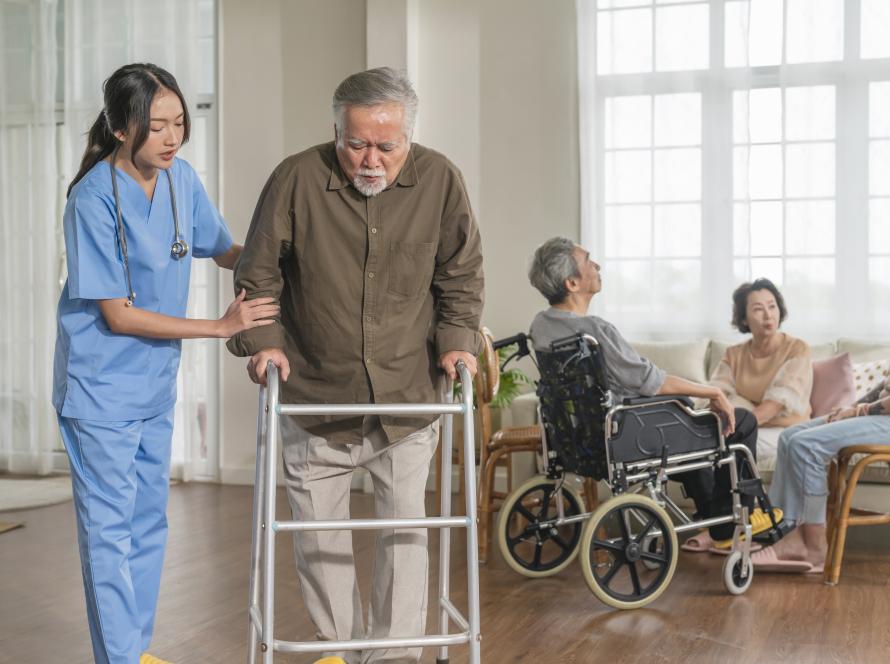
Rehabilitation programs help patients regain strength, mobility, and independence after surgery, illness, or injury.
Physical therapists, occupational therapists, and speech-language pathologists develop individualized treatment plans based on each patient’s needs.
Benefits of rehabilitation include:
- Improved mobility
- Better balance
- Reduced fall risk
- Faster recovery
- Increased independence
Successful rehabilitation lowers the likelihood of complications that often lead to hospital readmissions.
Patient Education Is Essential
Patients who understand their health conditions are more likely to follow treatment recommendations and recognize early warning signs.
Education should cover:
- Medication schedules
- Recovery expectations
- Nutrition
- Exercise recommendations
- Chronic disease management
- When to seek medical care
Healthcare providers should also involve family caregivers whenever possible to ensure patients receive consistent support after discharge.
How Technology Helps Reduce Hospital Readmissions
Technology continues to transform post-discharge care.
Healthcare organizations increasingly use:
- Electronic health records
- Telehealth appointments
- Remote patient monitoring
- Mobile medication reminders
- Predictive analytics
These tools allow providers to identify health concerns earlier while improving communication with patients and caregivers.
Technology also helps maintain continuity of care between hospitals, physicians, and post-acute care providers.
Choosing the Right Recovery Services
Selecting the appropriate level of care after hospitalization can significantly improve recovery outcomes.
Patients may benefit from:
- Skilled nursing facilities
- Home health services
- Rehabilitation centers
- Transitional care programs
When evaluating providers, consider:
- Clinical expertise
- Rehabilitation services
- Care coordination
- Patient outcomes
- Communication practices
Choosing the right recovery environment can make a meaningful difference in reducing future hospitalizations.
Building a Healthier Recovery After Hospitalization
Efforts to reduce hospital readmissions require collaboration among hospitals, healthcare providers, rehabilitation specialists, skilled nursing facilities, patients, and caregivers. Through comprehensive discharge planning, effective medication management, transitional care, rehabilitation services, chronic disease monitoring, and patient education, many avoidable hospital readmissions can be prevented.
Reducing readmissions not only improves patient recovery but also lowers healthcare costs, enhances patient satisfaction, and strengthens the overall quality of care. By taking a proactive approach to recovery, patients can regain independence faster while achieving better long-term health outcomes.
Looking for trusted post-acute care and rehabilitation services to support recovery after hospitalization? Our experienced healthcare team provides personalized care plans, skilled nursing, rehabilitation therapies, and transitional care designed to help reduce hospital readmissions and improve long-term health. Contact us today to learn how we can support your recovery journey.